
close
Choose Your Site
Global
Social Media
Views: 129 Author: Site Editor Publish Time: 2026-02-25 Origin: Site


At UTMOSTPACK, we believe packaging is more than a container. It shapes how customers judge product quality, convenience, and brand value. A pouch must do two jobs at once: attract attention on the shelf and run smoothly on a vertical form fill seal machine. If the design looks good but feeds poorly, sealing and efficiency suffer. If it runs well but lacks shelf appeal, the product loses impact at retail.
The best pouch design balances appearance, protection, and machine compatibility. This guide explains how to choose the right bag styles, film structures, and functional details so your packaging performs well in production and in the market.
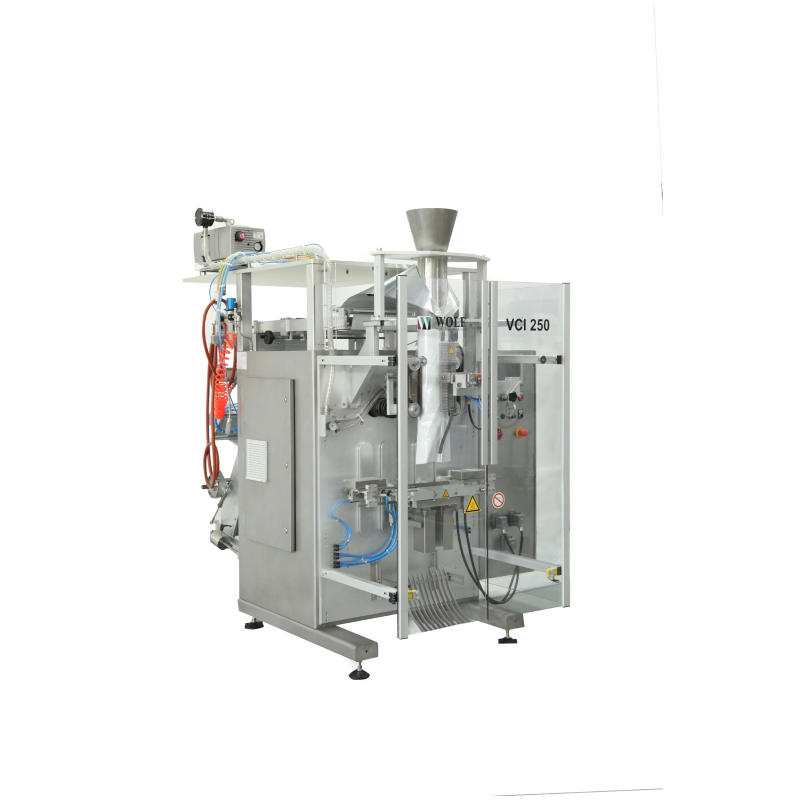
One of the biggest advantages of a vertical form fill seal machine is flexibility. From a single roll of film, it can produce several pouch formats depending on the product, market position, and packaging goals.
Pillow bags remain one of the most efficient and widely used options. They are simple in structure, use less material, and work well for high-speed output. This makes them a strong choice for snacks, grains, candies, and similar dry products. Their main limitation is shelf presentation, since they do not stand upright as easily as premium pouch styles.
Stand-up pouches offer stronger shelf presence and more visible print area. They are often used for coffee, nuts, pet food, and higher-value retail products. Because they stand better and look more premium, they support stronger branding and better consumer perception. When used with zipper pouches, they also add convenience and reusability, which many buyers now expect.
Quad-seal bags create a more stable, box-like structure that works well for heavier or premium products. They provide a clean, professional look and perform especially well for coffee beans, protein powders, and specialty foods. They require more precise forming and slightly more film, but the result is a pouch with stronger shelf stability and higher visual value.
For single-serve products, condiments, samples, or travel-size applications, sachets and stick packs are highly efficient. They run quickly on VFFS equipment and suit high-volume distribution. Even in small formats, sealing accuracy and cut precision remain critical to avoid leakage or poor presentation.
Choosing among these bag styles should depend on product weight, shelf strategy, target market, and the packaging experience you want the customer to have.
The film is one of the most important parts of pouch design. Good barrier films protect the product from oxygen, moisture, grease, light, or contamination. The right structure depends on what you are packing and how long it needs to stay fresh.
Crunchy snacks usually need strong moisture and oxygen barriers to maintain texture and flavor. Metallized films or foil laminates are commonly used because they help keep products crisp while also supporting high-impact printing.
Powders such as spices, drink mixes, and baking ingredients need dependable moisture protection and strong seals. Multi-layer films are often preferred because they improve product stability and reduce the chance of caking or contamination. Antistatic performance may also help in some filling environments.
Liquid and semi-liquid products need film structures with stronger puncture resistance and dependable seal integrity. In these applications, toughness matters as much as barrier performance. The film must also handle the thermal conditions of filling and sealing without distortion.
Frozen foods require films that stay flexible at low temperatures and resist tearing during handling. Some fresh applications may also need breathable packaging characteristics, depending on the product. In these cases, the film must protect the contents while still matching storage and distribution conditions.
Matching barrier films to the product improves shelf life, reduces waste, and keeps the vertical form fill seal machine running more consistently.
Consumers expect more from packaging than basic containment. Features such as reclosability, easy opening, and product visibility can improve convenience and support repeat purchases. But every feature must still work well on the production line.
Zipper pouches are now common in retail because they let consumers reseal the package after opening. This helps preserve freshness and adds value to the product. On a VFFS line, zipper application requires accurate positioning and stable heat control. Poor alignment or incorrect sealing temperature can damage the zipper or weaken the seal.
Tear notches are small features, but they improve user experience significantly. They make the pouch easier to open and should be placed carefully so they do not interfere with seals or brand graphics.
Windows help build trust by letting customers see the product inside. This can be especially effective for snacks, grains, coffee, or natural products. However, clear sections often behave differently during sealing and forming, so the pouch design must be validated carefully to prevent wrinkles or inconsistent results.
The key is to add functionality that improves the package without creating unnecessary instability on the machine.
Pouch design is not only about shape and materials. Print layout also affects how well the film runs on the vertical form fill seal machine. Good-looking artwork must also be technically aligned with sealing zones, cut points, and machine sensors.
Registration marks help the machine control where cuts and seals occur. These marks should be clear and easy for sensors to detect. If registration is poor, bag length, graphics, and sealing positions can all drift during production.
The artwork repeat length must match the bag dimensions. Important design elements such as logos, claims, and product images should stay away from seal zones where heat and pressure may distort them. Layout planning should also account for gussets, zipper areas, and tear notches.
Films with heavy print coverage or complex laminate structures may behave differently during forming and sealing. Test runs are important because even a visually strong design may require tension or temperature adjustments once it goes into actual production.
A pouch that is designed with machine operation in mind helps reduce film waste, minimize downtime, and keep branding consistent.
For food products, pouch design must also support legal compliance. Labels should remain readable after forming and sealing, and there must be space for nutrition information, barcodes, date coding, and batch identification.
Packaging materials should meet food-contact requirements for the target market. Brands selling internationally should also review regional labeling rules early in development to avoid redesigns later. At UTMOSTPACK, we help customers consider both technical packaging performance and practical production compliance when planning new pouch formats.
No pouch design is complete until it has been tested on the real machine. Prototype validation is essential because issues with seal strength, zipper position, film tracking, or filling performance often appear only during live production.
Testing on the actual vertical form fill seal machine helps confirm that the pouch works at real production speed and maintains the right appearance after filling and sealing. Drop tests, leak tests, and visual inspection all help verify pouch quality before full rollout.
UTMOSTPACK supports customers through this stage so packaging design decisions are backed by machine performance, not just appearance.
The perfect pouch combines visual appeal, product protection, and smooth machine performance. Choosing the right bag styles, barrier films, and functional features helps brands improve shelf impact while maintaining stable operation on VFFS Line. A good pouch does not only protect the product. It also improves user experience, supports brand perception, and keeps production efficient.
At UTMOSTPACK, we help customers turn packaging ideas into reliable production solutions. Whether you are developing zipper pouches, refining print layout, or selecting films for a new product line, our team can help ensure the pouch design matches both your market goals and your machine requirements. Contact us today to discuss your next packaging project.
A vertical form fill seal machine can produce several bag styles, including pillow bags, stand-up pouches, quad-seal bags, sachets, and stick packs, depending on the machine setup and product needs.
Barrier films protect products from moisture, oxygen, light, and contamination. The right film helps extend shelf life, preserve freshness, and improve overall package performance.
Yes, zipper pouches can run on a VFFS line, but they require accurate zipper placement, stable sealing temperature, and careful machine setup to maintain quality and consistency.
Testing on the actual vertical form fill seal machine helps confirm seal strength, film tracking, print registration, and pouch appearance under real production conditions before full-scale use.
