
close
Choose Your Site
Global
Social Media
Views: 139 Author: Site Editor Publish Time: 2026-02-22 Origin: Site


For small brands and early-stage producers, packaging automation can seem like something meant only for large factories. In reality, the right vertical form fill seal machine can be a practical step even for a growing start-up. It helps improve packaging consistency, reduce manual labor, control waste, and prepare production for future expansion. In competitive markets, packaging quality affects not only efficiency but also how customers judge a product on the shelf.
At UTMOSTPACK, we understand that many producers reach a turning point where manual or semi-automatic packing is no longer enough. The challenge is not simply whether to automate, but how to choose equipment that fits today’s production needs without limiting tomorrow’s growth. This guide explains how to evaluate your first VFFS investment, from product mix and budget planning to installation realities and upgrade potential.
Before selecting a machine, first look closely at what you package now and what you may need to package in the near future. Many start-ups begin with only a few SKUs, such as one snack size, several spice blends, or a small range of powders. But once demand grows, customers often want more options, including different bag sizes, fill weights, or pouch styles.
It helps to organize your products by type, bag format, output volume, and filling requirements. A business packing powders may need a different feeding system than one packing granules or irregular snack pieces. Even in small-batch packaging, flexibility matters. A machine that handles only one product well may become a limitation as the business expands.
A compact VFFS with adjustable forming parts and easy changeover support can make growth much smoother. This kind of setup allows producers to move between different sizes or formats with less downtime. It also gives smaller brands room to test retail packs, trial-size pouches, or premium packaging styles without replacing the entire machine.
Growth forecasting is equally important. One common mistake is buying only for current output, then finding the system too limited once sales improve. A machine that performs well for today’s order volume but also supports scaling production offers much better long-term value.
The difference between an entry-level and an industrial VFFS machine is not only speed. For first-time buyers, the main priorities are usually reliability, simplicity, flexibility, and ease of maintenance.
An entry-level vertical form fill seal machine often runs at moderate speeds that suit start-ups and growing producers. For many small operations, that is more valuable than investing immediately in the highest-output equipment. A dependable machine that seals consistently and is easy to operate often delivers better real-world results than a faster system that is harder to manage.
When comparing first-machine options, these features matter most:
· compatibility with different products and bag sizes
· stable sealing performance
· simple touchscreen controls
· easy cleaning and maintenance access
· upgrade options for future expansion
Servo-driven motion control is especially useful because it improves sealing accuracy and helps reduce film waste. An intuitive PLC touchscreen also makes training easier for smaller teams that may not have dedicated machine operators. Reliable sealing is another critical point, because poor sealing quickly affects product appearance, shelf life, and customer trust.
UTMOSTPACK focuses on practical modular packaging systems that help smaller manufacturers start efficiently and expand at the right pace. For a start-up, a smart choice is usually not the biggest machine, but the one that balances day-one usability with future flexibility.
Budget is often the biggest concern when a company starts exploring automation. Many small businesses delay equipment investment because they focus only on the purchase price. But the better question is total value over time.
A good VFFS machine can reduce labor demand, improve fill consistency, lower film waste, and increase throughput. These advantages often create a return faster than expected, especially when manual packing is already slowing production.
There are generally three common ways to invest:
Buying the machine outright works well for companies with available capital and a stable production plan. It gives full ownership and usually the lowest total long-term cost.
Financing helps protect cash flow by spreading the cost over time. This is often a practical option for businesses that want to automate now but keep working capital available for ingredients, marketing, labor, or distribution growth.
Leasing may suit brands testing a new market, managing short-term contracts, or wanting lower initial commitment. It can reduce upfront pressure, although the long-term cost may be higher depending on the agreement.
In every case, buyers should look beyond the machine price alone. Training, spare parts, maintenance, and consumables also affect real operating cost. UTMOSTPACK helps customers evaluate both the initial investment and the likely long-term return, so the machine decision supports business growth instead of creating financial strain.
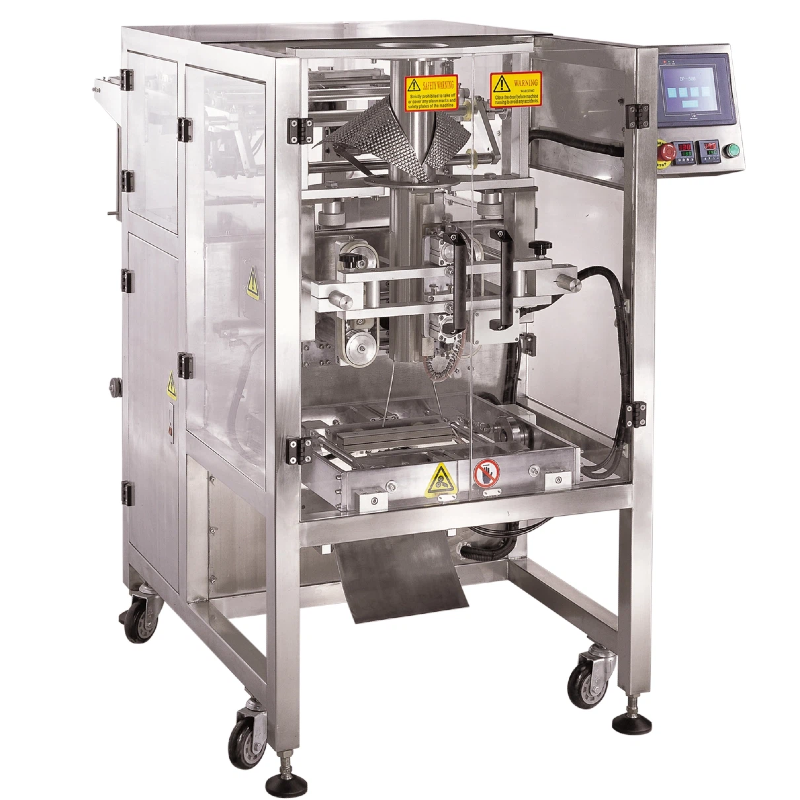
For smaller plants, practical setup details matter as much as machine features. A VFFS system must fit the available workspace, utility capacity, and staffing level.
A compact VFFS is often the best choice for start-ups because it can fit into workshops, shared production sites, or limited factory spaces without sacrificing packaging quality. Before installation, it is important to measure not only the machine footprint but also the surrounding space needed for film rolls, feeding equipment, operator movement, and finished bag collection.
Utilities should also be checked early. Most VFFS machines require stable electrical supply and, in many cases, compressed air. Confirming these requirements before purchase helps avoid installation delays or unplanned site modifications.
Operator training is another major consideration. For smaller businesses, one person may handle several production tasks, so equipment should be easy to learn and easy to reset between products. Machines with touchscreen recipes, straightforward film threading, and accessible maintenance points reduce both training time and operator errors.
For food applications, hygiene is especially important. Stainless steel construction, smooth surfaces, and tool-free access panels can make cleaning much faster and support safer daily operation. In startup packaging environments, these practical details often have a direct effect on labor efficiency.
A first machine should not only solve today’s packaging problem. It should also support future development. That is why scalability matters.
A strong VFFS platform should allow easier integration with upstream and downstream equipment as output grows. This may include feeding systems, weighers, fillers, conveyors, printers, checkweighers, or case packing units. Choosing equipment that already supports this kind of integration makes later upgrades much smoother.
This is where modular packaging systems offer real value. A company may begin with manual product feeding and a simple discharge table, then later add dosing equipment, coding systems, or conveying automation as demand rises. This gradual approach is often more realistic for growing brands than trying to build a fully automated line from the start.
Packaging style flexibility is also part of scaling. Some brands begin with simple pillow bags, then move into more premium formats as the business develops. A machine that can adapt to changing bag formats without full replacement protects the original investment.
Smart production data is another benefit worth considering. Machines that track output, alarms, and downtime can give growing businesses better visibility into efficiency. As production expands, those insights become increasingly useful for improving workflow and reducing stoppages.
Before making a final decision, it helps to ask a few practical questions:
· Can the machine handle both current products and likely future SKUs?
· Does it fit the available production space and utility conditions?
· Is it easy enough for current staff to operate and maintain?
· Does the budget plan support healthy cash flow?
· Can the system expand as production volume increases?
· Is after-sales support available when needed?
For first-time buyers, supplier support is often just as important as the machine itself. UTMOSTPACK works closely with growing producers to recommend the right configuration based on real packaging needs, available space, and future goals.
Our vertical form fill seal machine range is designed for businesses that want dependable performance without unnecessary complexity. Whether you are packaging powders, granules, snacks, coffee, or dry mixes, the right VFFS can give your brand a more professional and scalable production foundation.
Choosing your first automated packaging machine is more than a purchase decision. It is a step that can shape how efficiently your business operates and how confidently it grows. The right vertical form fill seal machine helps improve package quality, reduce manual workload, support small-batch packaging, and create a smoother path toward scaling production.
At UTMOSTPACK, we believe first-time automation should be practical, reliable, and ready to grow with the business. Our VFFS solutions are built to support start-ups and expanding manufacturers with the flexibility, simplicity, and long-term value they need. If you are planning your first packaging upgrade, contact us today to discuss a solution tailored to your products, workspace, and production goals.
A vertical form fill seal machine is used to form bags from roll film, fill them with product, and seal them automatically. It is widely used for snacks, powders, granules, coffee, spices, and other packaged goods.
Yes. A VFFS can work very well for small-batch packaging, especially when the machine is compact, easy to change over, and flexible enough to handle multiple SKUs without long downtime.
A start-up should focus on reliability, simple controls, stable sealing quality, easy cleaning, and upgrade potential. A compact VFFS that supports future add-ons is often a smarter first investment than a high-speed system with unnecessary complexity.
Modular packaging systems make scaling production easier because businesses can start with a basic machine setup and add weighers, printers, feeding systems, or conveyors later as output grows.
